Selling a homestead in Phoenix—whether it’s a multi-acre desert property, an urban mini-farm, or a family-run plot passed down through generations—is a very different experience from selling a standard suburban home. Phoenix has one of the most unique real estate markets in the United States, shaped by rapid population growth, extreme heat, shifting water policies, and a demand that changes dramatically from season to season. These factors make selling a homestead both an opportunity and a challenge.
This guide dives into everything you need to know, from the obstacles you may face to the strategies that can help you secure the right buyer. Whether you’re navigating zoning rules, dealing with outbuildings, or looking for ways to sell a house fast in Phoenix, this comprehensive resource gives you the insights needed to move forward confidently.
Why Phoenix Homesteads Are So Unique
Unlike a traditional residential property, a homestead includes multiple functional elements—land, structures, utilities, animals, and sometimes agricultural equipment. Buyers must be interested in more than square footage; they need to embrace a lifestyle.
In Phoenix, the homesteading lifestyle is especially distinctive because of the desert climate, agricultural limitations, and expanding urban boundaries. Maricopa County is one of the fastest-growing counties in the country, with more than 100,000 new residents added annually. Yet, despite this influx, rural-style homesteads remain niche properties. Not everyone wants chickens, irrigation systems, or acres of cactus-laden land. This creates a smaller, more specific buyer pool.
Market Challenges That Homestead Sellers Face
A Phoenix homestead can be an amazing asset—but selling it is not always straightforward. Many owners are surprised by how much longer the process can take compared to selling a normal home.
Here are some of the biggest challenges sellers often experience:
- Limited buyer pool: Not everyone is equipped for livestock, acreage, or rural upkeep.
- Heat-related wear and tear: Roofs, HVAC systems, and irrigation lines often require repair.
- Zoning restrictions: Agricultural, equestrian, or livestock uses are not permitted in every area.
- Water access concerns: Some buyers worry about well depth, water rights, or SRP/City water availability.
- Financing hurdles: Some lenders are hesitant to loan on non-traditional properties.
- Higher inspection standards: Buyers often want soil testing, water inspection, or facility checks.
These issues don’t make selling impossible—but they do require strategic preparation and realistic expectations.
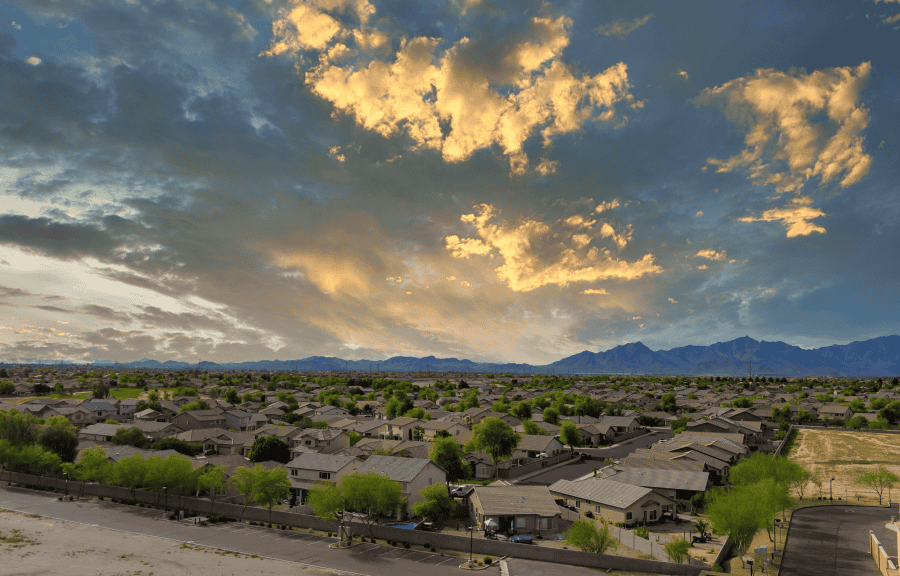
Understanding the Current Phoenix Real Estate Climate
Phoenix’s real estate market is known for dramatic swings. After explosive growth between 2020 and 2022, rising interest rates slowed sales activity. In fact, Phoenix added more than 585,000 residents between 2010 and 2023. Yet demand for unique rural-style properties has remained steady, especially from:
- Californians seeking lower property taxes
- Snowbirds looking for winter homesteads
- Prepper-minded buyers and sustainability-focused families
- Investors seeking land for future development
According to ARMLS, homes on more than one acre stay on the market 30–60% longer than standard subdivisions. However, they often command higher price points due to land value.
Preparing Your Homestead for Sale
Homesteads are complex, and buyers want transparency, organization, and clarity. Proper preparation can dramatically reduce time on the market and increase your selling price.
Essential Steps to Prepare Before Listing
Here is a list of the most important tasks sellers should complete before putting a Phoenix homestead on the market:
- Inspect and service all major systems including HVAC, irrigation, septic, roofs, and barns.
- Organize agricultural or livestock records such as feed usage, veterinary documents, or well reports.
- Clean up outbuildings and acreage to improve curb appeal and reduce buyer overwhelm.
- Disclose water sources and rights clearly—this is a major decision factor for buyers.
- Repair fencing, gates, or corrals if the property is equestrian-friendly.
- Gather zoning documents and permits for additions, wells, or agricultural operations.
- Prepare high-quality photography and aerial drone shots to showcase land layout.
These steps help potential buyers feel confident about the property’s condition and long-term viability.
The Importance of Water Rights and Irrigation
Water is one of the most important—and most misunderstood—features of a Phoenix homestead. Over 40% of Arizona’s water use comes from groundwater (ADWR). Because the region experiences extreme drought conditions, buyers want reassurance that the property will sustain their needs.
Important considerations include:
- Whether the home uses well water, municipal water, or SRP irrigation
- The depth and flow rate of private wells
- HOA, municipal, or agricultural water restrictions
- The presence of flood irrigation valves
- Any improvements like rainwater harvesting systems
- The cost of water during summer months
The Phoenix Active Management Area has strict groundwater pumping regulations due to long-term aquifer decline and Arizona water regulations can be complicated, so many sellers hire consultants to help document and explain the property’s water situation. Strong water security can significantly increase buyer interest.
When You Need to Sell Quickly
Sometimes sellers have a tight timeline due to relocation, financial strain, or inheritance situations. Because homesteads take longer to sell, traditional listing strategies may not be ideal.
Some homeowners turn to alternative selling when looking to sell a house fast in Phoenix, options such as:
- Cash homebuyer companies
- Real estate investors who specialize in acreage
- Developers seeking land for future projects
- Quick-close buyers who overlook minor repairs
While the offers may be lower than retail, these avenues can drastically reduce the time it takes to convert a homestead into cash—sometimes in as little as 7–14 days.
Pricing a Homestead Correctly
Pricing is one of the biggest reasons Phoenix homesteads fail to sell. Because these properties are so unique, automated valuation tools (like Zillow’s Zestimate) are often inaccurate.
A true homestead valuation depends on factors such as:
- Acreage
- Water access
- Agricultural capacity
- Irrigation system quality
- Outbuilding conditions
- Horse facilities or barns
- Soil health
- Views, land shape, and accessibility
Homestead buyers are emotional buyers—they want space, peace, and independence. Presenting your property as a lifestyle offering—not just land—can significantly increase perceived value.
Marketing a Phoenix Homestead Effectively
Traditional marketing may not be enough. Homesteads require targeted, creative strategies that highlight the lifestyle, not just the features.
Some of the best methods include:
- Professional drone videography and 3D mapping
- Feature videos showcasing the land—sunsets, animals, gardens
- Targeted ads aimed at out-of-state relocators
- Posting in homestead, ranch, and horse community forums
- Creating a dedicated webpage for the property
- Highlighting “self-sufficiency potential” for modern buyers
The more immersive the presentation, the more likely buyers will picture themselves living the homestead life.
Understanding Buyer Motivations
Most Phoenix homestead buyers fall into a few categories:
- Sustainability seekers wanting off-grid living
- Horse owners needing space for livestock
- Families seeking privacy and security
- Prepper-minded individuals wanting water access and land
- Gardeners or small-scale farmers
- Retirees looking for peace and nature
Tailoring marketing to these groups can dramatically increase your chances of making a sale.
Overcoming Common Buyer Objections
Because homesteads come with added responsibilities, buyers often hesitate. Typical objections include:
- Maintenance concerns
- Heat damage worries
- Doubts about well water reliability
- Fear of zoning limitations
- Inexperience with land management
Sellers who provide clear documentation, professional inspections, and educational resources can quickly eliminate these concerns and make buyers more confident.
Should You Stage a Homestead?
Staging for a homestead is less about decorating and more about showcasing functionality. This means ensuring that:
- Barns are neatly organized
- Gardens look tended
- Corrals and fences are secure
- Outbuildings are clutter-free
- Land pathways are cleared
Buyers want to visualize themselves using the land—not fixing it.
Final Thoughts
Selling a Phoenix homestead is a unique process that requires patience, preparation, and strategic marketing. Unlike a typical suburban home, a homestead must appeal to a specific type of buyer—one who values land, independence, and the lifestyle that comes with rural desert living.
By understanding the challenges, highlighting the property’s strengths, preparing documentation, and embracing modern selling strategies—even leveraging fast-selling options when needed—you can position your homestead for a successful, profitable sale.