We stayed in the DC area in May and June 2026, on our Oshkosh or Bust road trip.
Here’s the thing about visiting Washington, DC, in an RV: you don’t. Not really. Nobody in their right mind tows a fifth wheel past the Capitol. What you do instead is pick a home base, settle in, and commute into the city like everyone else. We spent almost four weeks at Cherry Hill Park in College Park, Maryland, and went into DC almost every single day. It turned out to be one of our favorite stays since we started traveling full-time.
This is our basecamp guide: where we stayed, how we got into the city, what we loved, and what we’d tell a friend who’s planning the same trip.
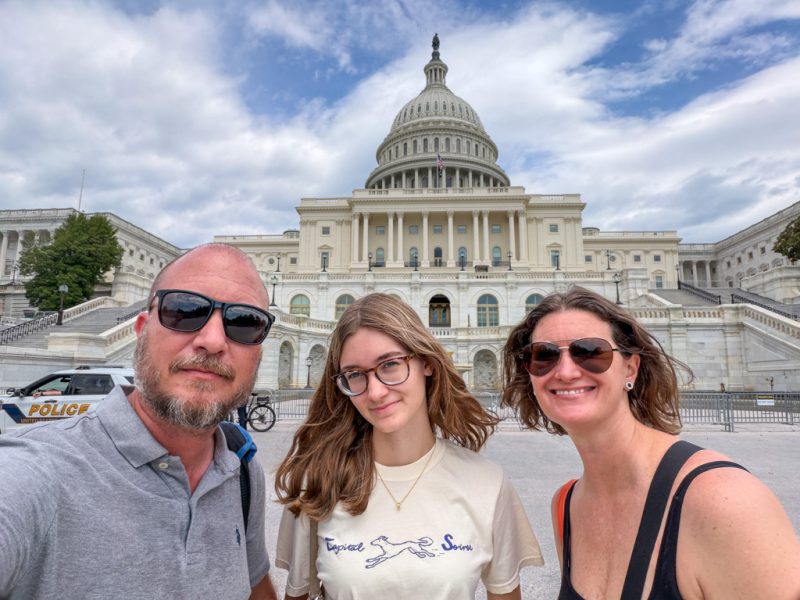
Arrival Day: Set Up, Dress Up, Head Out
We didn’t exactly ease into our DC stay. We had concert tickets that first night (Never Ending Fall, featuring Capital Soirée, at Songbyrd), so the clock was ticking from the moment we pulled in.
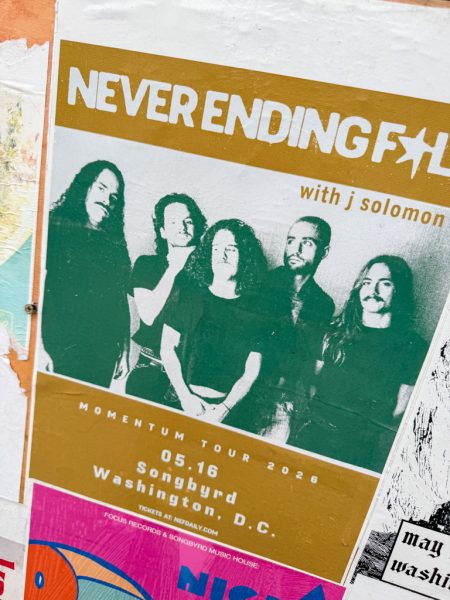
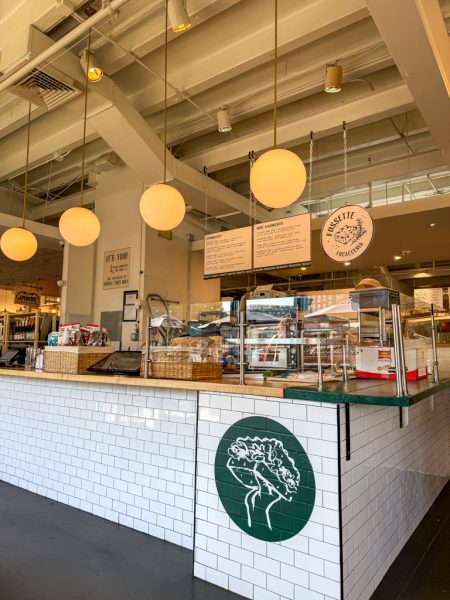
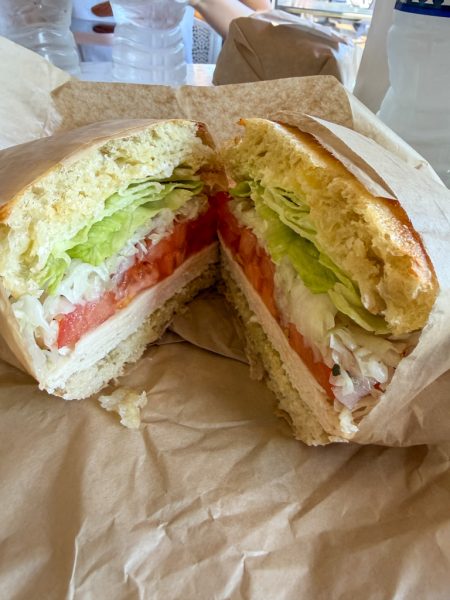
Check-in at Cherry Hill was quick and genuinely friendly, which helped. We found our site, leveled, hooked up, and got the pets settled faster than we probably ever have. Then we changed out of our travel clothes, hopped on the Metro, and grabbed dinner at Union Market before the show.
Bopping around in a music venue a few hours after unhitching, I remember thinking: how cool is this? That first night set the tone for the whole stay. Park the rig, jump on the Metro, and the city is yours.
Where We Stayed: Cherry Hill Park
We really liked Cherry Hill Park. It bills itself as the closest campground to DC, and after a long stay, we’d add that it’s also one of the easiest.
The park was clean, the staff was friendly from day one, and our fellow campers were a nice mix of families, full-timers, and folks passing through on I-95. The sites are fairly close together, so don’t expect a wooded hideaway. But for an RV park in a major metro area, the spacing was reasonable, and we never felt crammed in.
What really sold us was the room to walk. Claire, our Great Dane, needs a lot of it, and there was plenty of space for her daily laps. She got the usual “Are you walking a horse?” comments (we hear that one everywhere), and we even met another Great Dane on one of our walks, which is always a treat for everyone involved. Read our full Cherry Hill Park campground review here.
Getting Into the City: Our Greenbelt Metro Routine
Cherry Hill makes it easy to go car-free. There’s a Metro bus stop right at the campground that takes you to the College Park station, and plenty of campers use it. We never felt the urge, though. Why take a bus that takes several times longer when the train is a few minutes’ drive away?
We drove about ten minutes to the Greenbelt Metro station and parked at its park and ride. Greenbelt is the end of the Green Line, and the lot is massive (more than 3,000 spaces). That matters when you’re driving a long-bed F-350. We never once had trouble finding a spot that fit the truck, which is not something we can say about most city parking.
The math was simple. In the time you’d spend just waiting at the bus stop, we were already parked at Greenbelt and walking to the platform. Having our own quick ride to the train made us independent: no bus schedule, no waiting around at the end of a long day, just a short drive home.
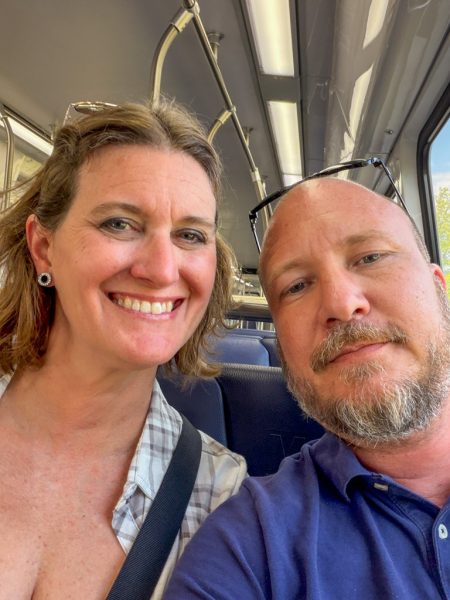
From Greenbelt, it took us less than 30 minutes to get into the city. A typical weekend day looked like this: drive to the station, ride the train in, spend the day exploring, and head home. Simple, and it never got old.
Learn the Metro (It’s Worth It)
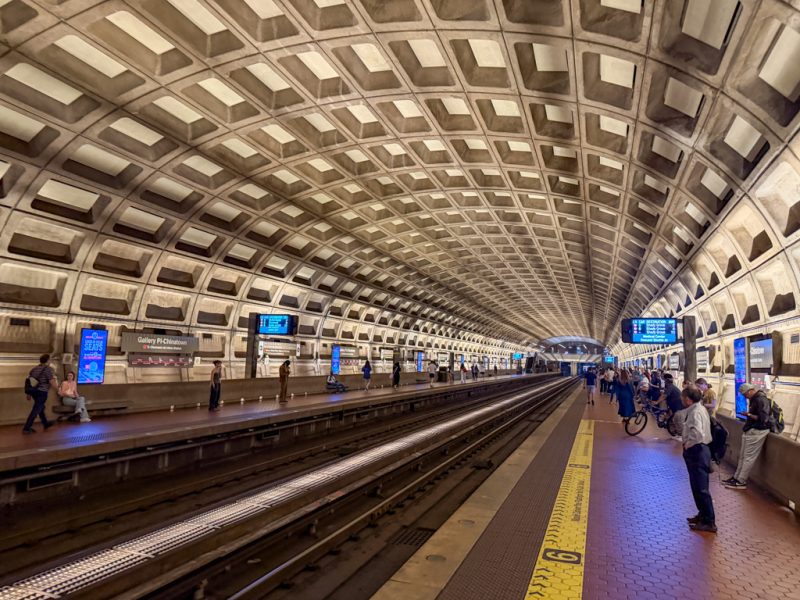
If we could give every RV family heading to DC one tip, it’s this: learn the Metro system. It’s relatively cheap, and it gets you around faster than Uber, especially during rush hour. Load a SmarTrip card (or add one to your phone’s wallet), and you’ll use it to pay for both the train and the parking lot. Download a Metro app, figure out which line you need, and within a day or two, you’ll feel like a local.
Planning your own DC trip? Our free DC by RV Basecamp Kit has the station-by-station guide we kept on our phones, plus Greenbelt parking tips and a booking timeline for the tours that need planning ahead.
The Museums: Free, Fantastic, and Everywhere
We visited almost all of the Smithsonian museums during this trip, and I still can’t get over the fact that they’re free. Every single one. When you think about how much it costs to take a family to a single museum in most cities, it’s an incredible bargain for the amount you get to see.
That’s also the beauty of a longer stay. Because we weren’t racing to cram everything into a weekend, we could take our time, see one or two museums in a day, and come back another time for anything we missed.
If a friend asked us where to start, we’d send them to these three:
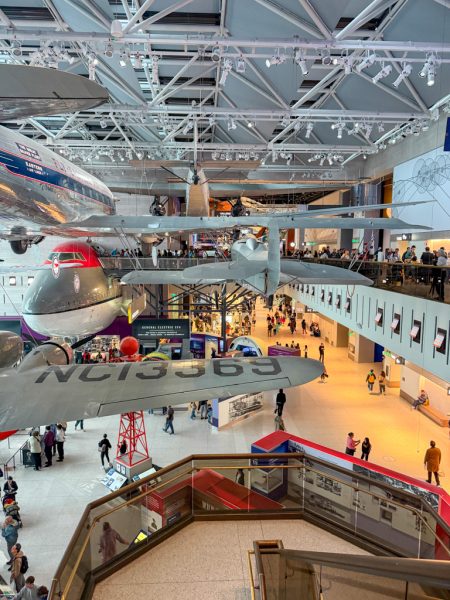
- National Air and Space Museum: With a newly licensed pilot in the family, this one was non-negotiable, and it did not disappoint.
- National Museum of Natural History: The classic for a reason. Plan more time here than you think you’ll need.
- National Museum of American History: History you’ll recognize, told in a way that keeps everyone interested.
Our daughter loved all of it: the museums, the history, and just the big-city feel of it all. And don’t skip the National Gallery of Art. It isn’t part of the Smithsonian, but it’s also free, it sits right on the Mall, and the rotunda alone is worth a stop.
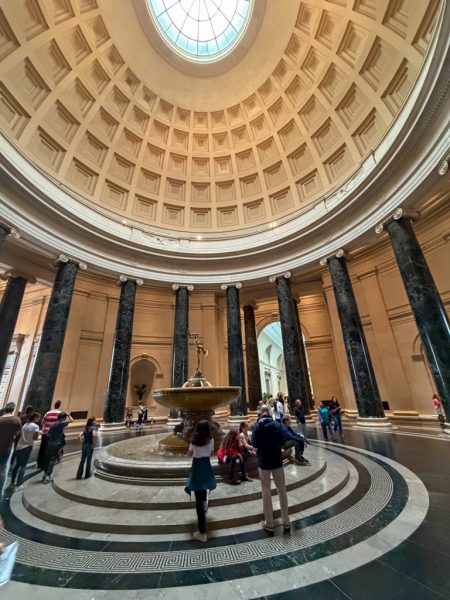
The White House, the Library of Congress, and the National Archives
The White House
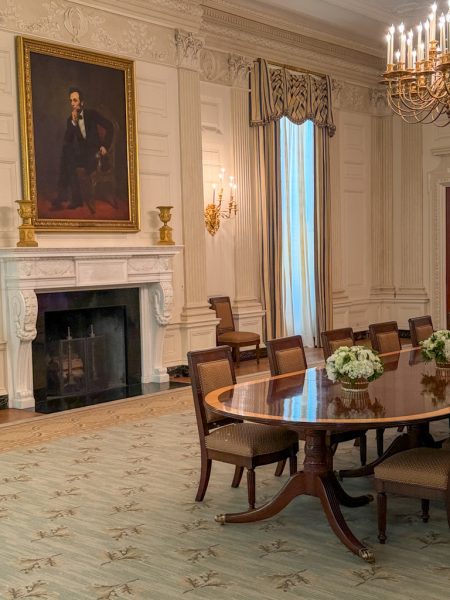
I’ll be honest: the White House tour was a bit underwhelming. It’s shorter and more limited than you might picture. But standing inside a building you’ve seen your whole life on TV and in history books is still something special, and we’re glad we did it.
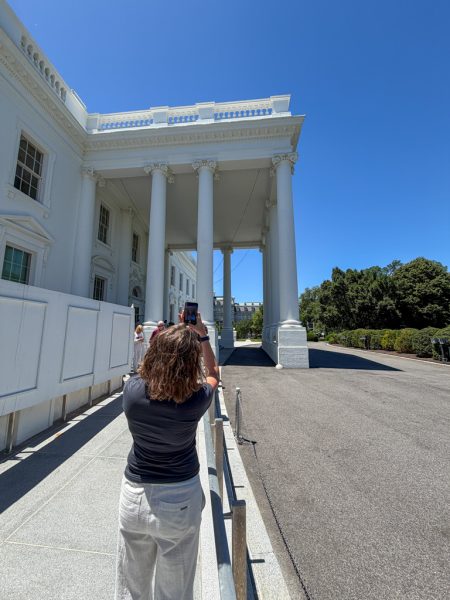
If you want to go, you can’t just show up. Public tours are requested through your member of Congress, and we got our tickets through our representative’s office. Requests need to go in well ahead of time (at least three weeks, and earlier is better), so add it to your to-do list as soon as you know your dates.

The Library of Congress
The Library of Congress, on the other hand, was a highlight. The architecture alone is worth the trip. The Great Hall is one of the most beautiful interiors we’ve ever seen, and I could have stood there looking up at the ceiling for an hour.
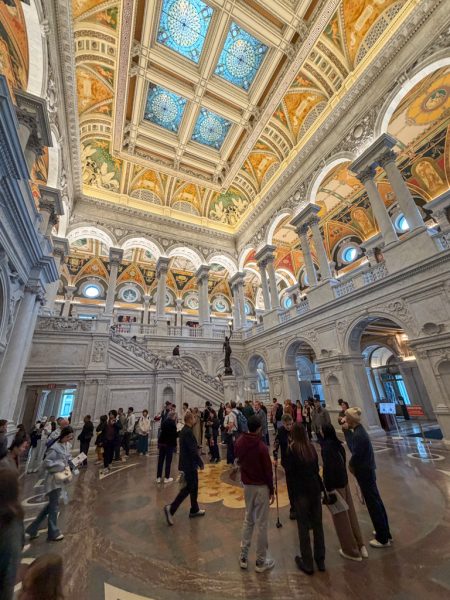
What surprised us most was that it’s a working library. Anyone 16 or older with a government-issued photo ID can get a free reader card, so of course we all got one. It’s a fun souvenir and a great conversation starter.
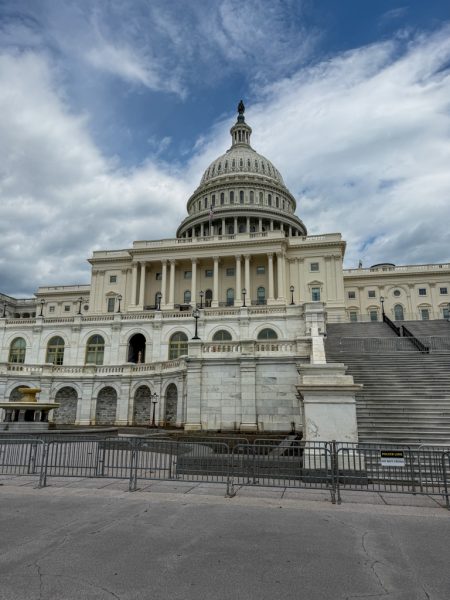
The National Archives
Then there’s the National Archives, home to the original Declaration of Independence, the Constitution, and the Bill of Rights. Admission is free, and it’s right at the Archives station on the Green Line, a straight shot from Greenbelt.
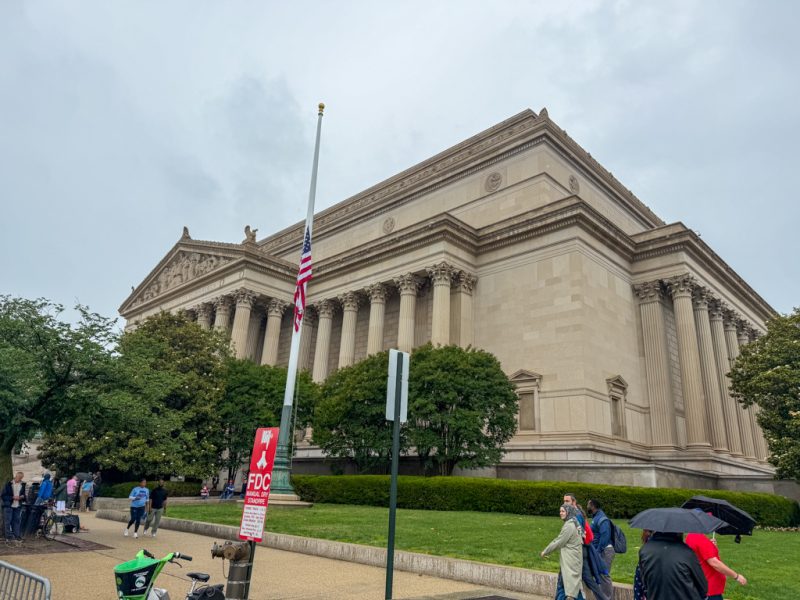
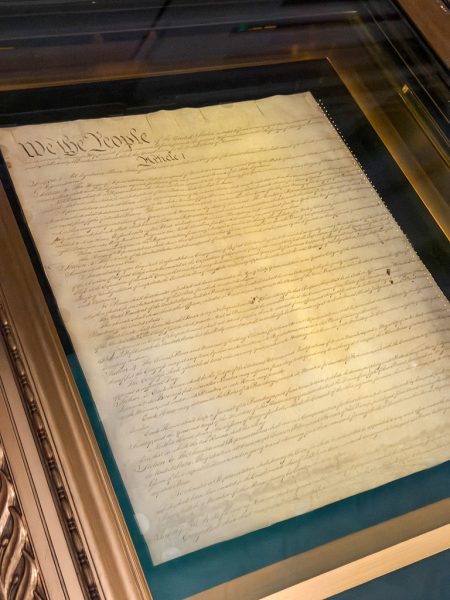
Seeing the documents that shaped our country up close is a feeling that’s hard to describe. It’s a quiet, goosebumps kind of patriotism, and it stuck with all three of us.
Markets and Neighborhoods: Living Like Locals
Some of our favorite DC days didn’t involve a single monument. When you’re staying a while, you start shopping and wandering like you live there, and that’s when the city really opened up for us.
Dupont Circle Farmers Market
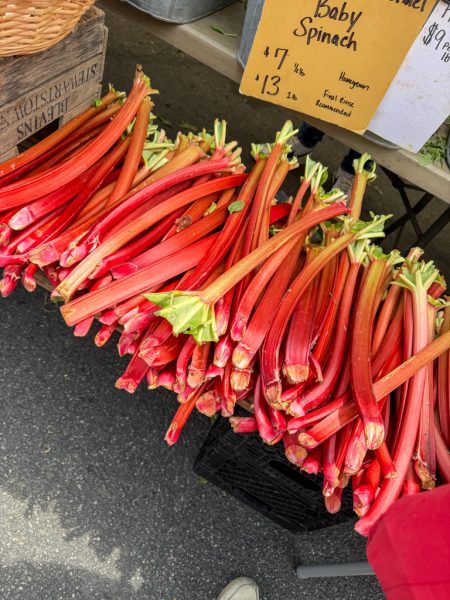
The FRESHFARM market at Dupont Circle runs every Sunday morning, year-round, and it quickly became part of our routine. We stocked up on fresh produce, cheese, and bread, and it was a lovely way to start a slow Sunday in the city. Go early, because it gets busy.
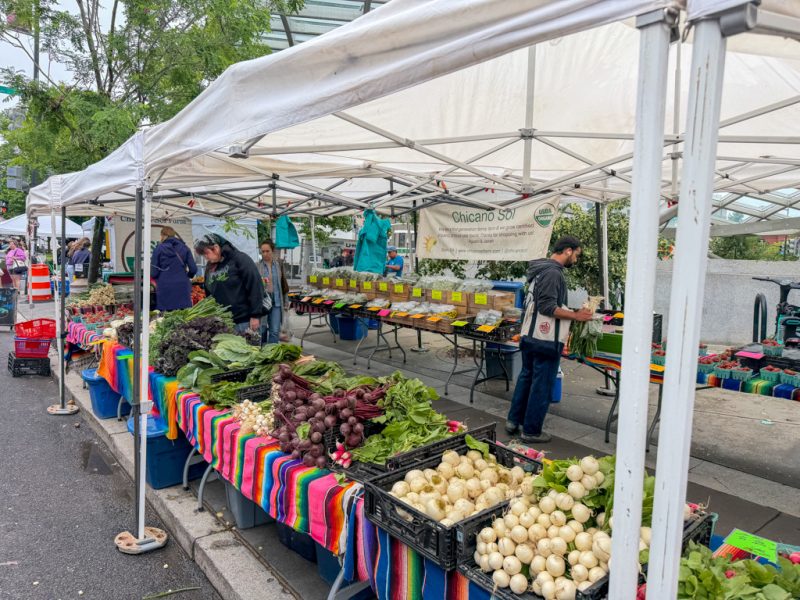
Eastern Market
Eastern Market on Capitol Hill has been a neighborhood market since 1873, and the indoor South Hall is packed with butchers, bakers, and cheese vendors. This is where we bought our meat, and I have to tell you about the grass-fed, dry-aged rib eyes. They were to die for. We still talk about them. If you have a grill at your campsite (more on that in a minute), plan a stop here.

Georgetown
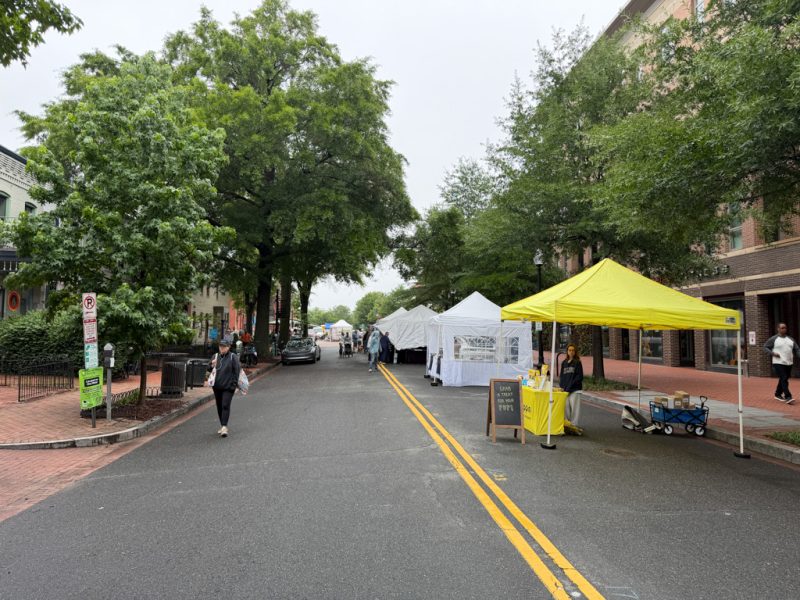
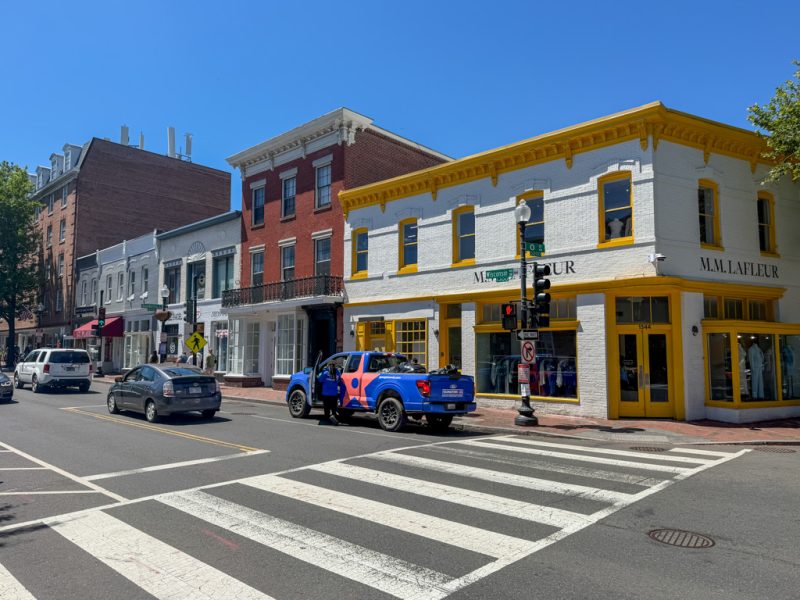
Our Georgetown days were simple and slow: grab a coffee, find a good spot, and people-watch. The old streets, the shops, and the steady stream of students and locals make it a perfect place to just be for an afternoon after a few busy museum days.
Living in DC, Not Just Visiting
A lot of people ask whether we got worn out going into the city nearly every day. Honestly, no. Since we live and work from our fifth wheel, not every day was a full sightseeing day. Some days, we worked at the RV and didn’t head into DC until the afternoon or evening. That rhythm kept the whole stay fun instead of exhausting, and we never hit that “one more museum and I’ll scream” wall.
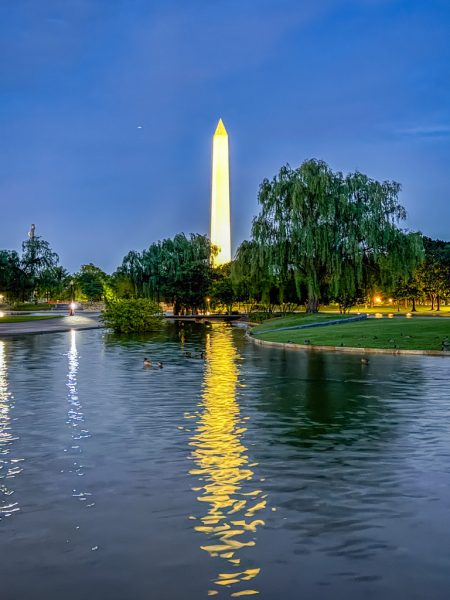
Those evening trips into the city were some of our favorites. The monuments are beautiful lit up after dark, and much less crowded than during the day.
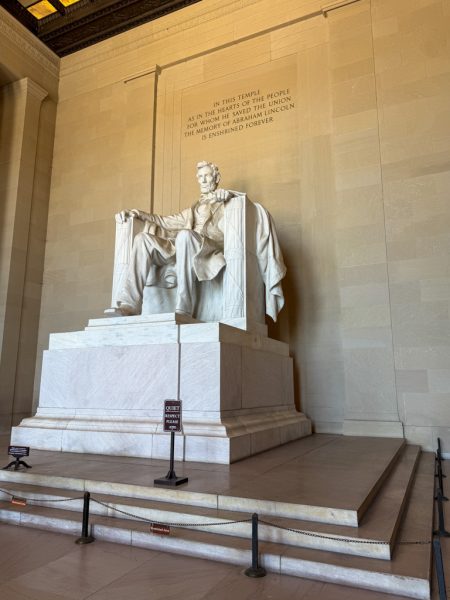
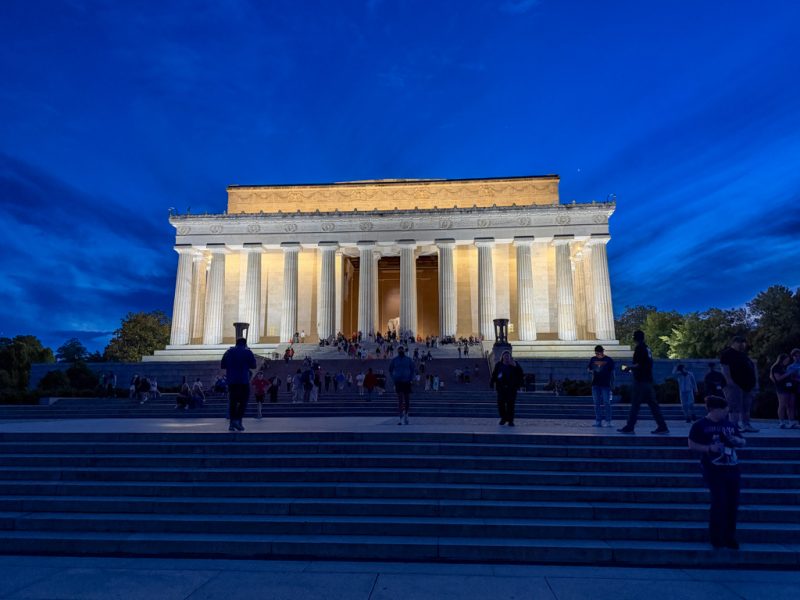
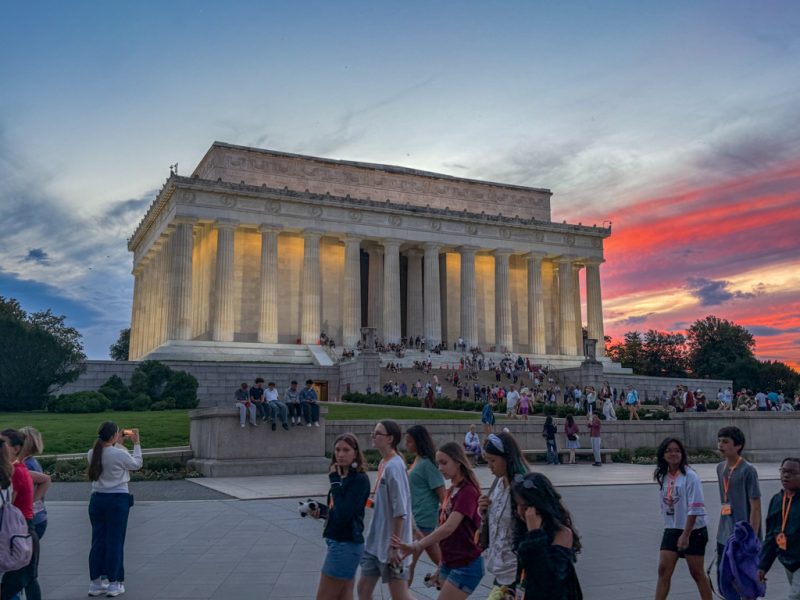
One evening sums up our DC stay better than anything. Stefan had meetings in the city all day, took the Metro back to Greenbelt, and drove home to the campground. He changed out of his suit, and we fired up the grill with those Eastern Market rib eyes. A day in the nation’s capital, then dinner outside our own front door. That’s the kind of moment you only get when your home has wheels.
Lessons Learned From Our DC Basecamp
- Pick a basecamp, not a drive-in: Leave the rig at the campground and commute into the city. Cherry Hill Park made that easy.
- Drive to Greenbelt if you have a truck: Skip the campground bus. A short drive to the Greenbelt park and ride is far faster and gives you more freedom. The lot has plenty of room for a long-bed pickup.
- Learn the Metro: It’s affordable, it beats Uber in traffic, and your SmarTrip card pays for the parking, too.
- Plan the White House early: Tours go through your member of Congress and need at least three weeks’ notice.
- Get a Library of Congress reader card: It’s free for anyone 16 or older with a photo ID.
- Shop the markets: Dupont Circle on Sundays for produce, Eastern Market for meat. Your campsite grill will thank you.
- Mix work days and city days: A slower pace means no DC fatigue.
Final Thoughts
If we could do one thing differently next time, it would be simple: stay longer. Almost four weeks sounds like plenty, but DC has a way of handing you a new list just as you finish the old one. We can’t wait to go back.
If you’re thinking about seeing Washington, DC, by RV, don’t let the city traffic or the size of your rig scare you off. Find a good basecamp, learn the train, and let the city come to you.
Free download: The DC by RV Basecamp Kit
Want even more tips for planning your trip? Our free 26-page DC by RV Basecamp Kit has everything we wish we’d known before we arrived: our Cherry Hill cheat sheet and backup campgrounds, how to drive in (and around Baltimore’s tunnels with propane), Greenbelt parking tips, a station-by-station Metro guide, how to request White House tickets and Library of Congress reader cards, a market guide, sample itineraries, and printable checklists.
More road trip stories: our weekend in Norman, Oklahoma, a first timer’s guide to EAA AirVenture, and where we’re headed next on the Lobstah Crawl.
Have you visited DC by RV? Where did you set up your basecamp? Share your tips in the comments below!